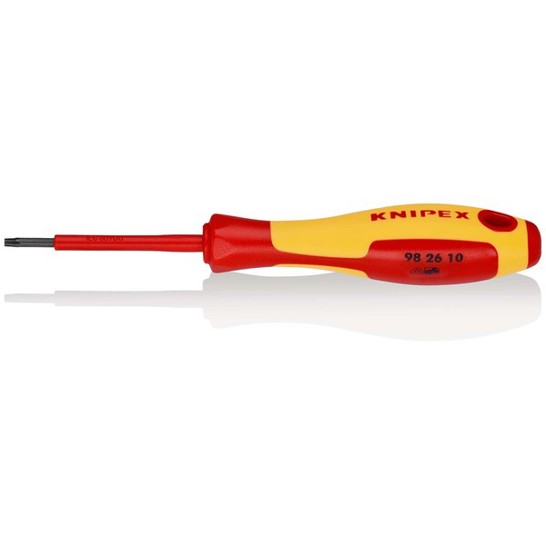
The Power Tools Mistake That Every Beginner Makes
The Essential Guide to Power Tools: Driving Your DIY and Professional Projects Forward
Power tools have revolutionized the world of building and construction, woodworking, metalworking, and home improvement, making tasks much easier and more effective. From drills and saws to sanders and grinders, these tools have actually ended up being important to both experts and DIY enthusiasts. This blog post will explore the different types of power tools, their uses, important functions, upkeep tips, and how to choose the best tool for your requirements.
Tabulation
- 1. Comprehending Power Tools
- 2. Types of Power Tools
- 2.1. Corded Power Tools
- 2.2. Cordless Power Tools
- 3. Necessary Power Tools for Every DIYer
- 4. Picking the Right Power Tool
- 5. Upkeep Tips for Power Tools
- 6. FAQs
7. Conclusion
- *
1. Understanding Power Tools
Power tools are devices that utilize an external source of power to perform jobs that would be lengthy or physically challenging with handbook tools. They can be categorized primarily into two categories: corded and cordless. Understanding the advantages and restrictions of each classification assists users make informed decisions based on their particular job requirements.
2. Types of Power Tools
2.1. Corded Power Tools
Corded power tools are powered by electricity through a plug that connects to an outlet. They generally offer trustworthy power and are fit for durable tasks where consistent power is vital.
Table 1: Common Corded Power Tools
Tool Type
Typical Uses
Secret Advantages
Corded Drill
Drilling holes in wood, metal, or plastic
Limitless run time, consistent power
Table Saw
Precise cuts in wood
Steady and generally more effective
Angle Grinder
Sanding, grinding, cutting metal
High performance for difficult materials
Orbital Sander
Smoothing surfaces
Finer finish than manual sanders
2.2. Cordless Power Tools
Cordless power tools run on batteries, providing increased portability and benefit, specifically in locations where outlets are limited. However, the battery life and charging times can be limiting aspects.
Table 2: Common Cordless Power Tools
Tool Type
Common Uses
Key Advantages
Cordless Drill
Drilling holes and driving screws
Portable, flexible
Cordless Circular Saw
Cutting wood and metal
Lightweight and hassle-free
Cordless Impact Wrench
Attaching and loosening bolts
High torque and effective
Cordless Jigsaw
Curved cuts in different products
Easy maneuverability
3. Vital Power Tools for every single DIYer
For anybody venturing into DIY jobs or home improvements, there are specific power tools that come extremely suggested:
- Cordless Drill: For flexibility in drilling and driving screws, this tool is a must-have.
- Circular Saw: Great for cutting lumber and plywood on-site without requiring a table.
- Orbital Sander: Essential for prepping surface areas before painting or completing.
- Reciprocating Saw: Ideal for demolition work and cutting through different products.
- Impact Driver: Perfect for driving long screws into difficult materials.
4. Choosing the Right Power Tool
When picking a power tool, several aspects should be considered to ensure it fulfills your specific needs:
- Project Type: Identify the type of tasks you'll be doing. For example, heavy building and construction may call for corded tools due to their power.
- Source of power: Decide between corded and cordless depending on whether movement or continuous power is more important to your work.
- Spending plan: Set a spending plan. Higher-priced tools might be more resilient and effective however assess if you require such functions.
- Brand name Reputation: Research and pick trustworthy brand names, as they frequently supply reliable tools and much better client service.
5. Maintenance Tips for Power Tools
Routine upkeep of power tools extends their life and boosts efficiency. Here are some necessary maintenance ideas:
- Clean After Use: Remove dust and debris to prevent products from obstructing moving parts.
- Oil Moving Parts: Apply lubricant to parts that have friction to ensure smooth operation.
- Check Cords and Batteries: Regularly inspect power cables for damage and batteries for wear and tear.
- Shop Properly: Keep tools in a dry, cool place and avoid leaving batteries on chargers for too long.
- Follow Manufacturer Instructions: Always refer to the manual for specific maintenance recommendations.
6. Frequently asked questions
1. How do I determine the size of the power tool I need?The size generally correlates with the desired job. For light tasks, smaller sized, more portable tools are typically adequate. For durable work, bigger tools are needed to keep effectiveness. 2. Are cordless power tools as powerful as corded ones?Technology has
enhanced battery efficiency, but corded tools
usually offer more constant power for demanding jobs. 3. What safety steps need to I take while using power tools?Always wear view (gloves, glasses, ear defense ), follow producer standards, and make sure tools are in excellent working condition. 4. Can I use power tools in wet conditions?Most power tools are hazardous to utilize in damp conditions. Always examine the maker's assistance, and prevent using tools
near water. 5. How typically need to I replace my power
tools?This depends upon use and maintenance, however commonly utilized tools need to be evaluated yearly to identify if replacement is required. 7. Conclusion Power tools
are a cornerstone of modern building and crafting, enabling users to finish tasks efficiently and effectively. With a wide variety of alternatives available, understanding their functions, upkeep, and proper applications enhances both professional and DIY pursuits. Whether you're a seasoned professional or just starting on your home improvement journey, picking the right tools can make all the difference in achieving successful results. Purchasing quality tools and taking care of them appropriately will guarantee they serve you well for numerous years to come.